
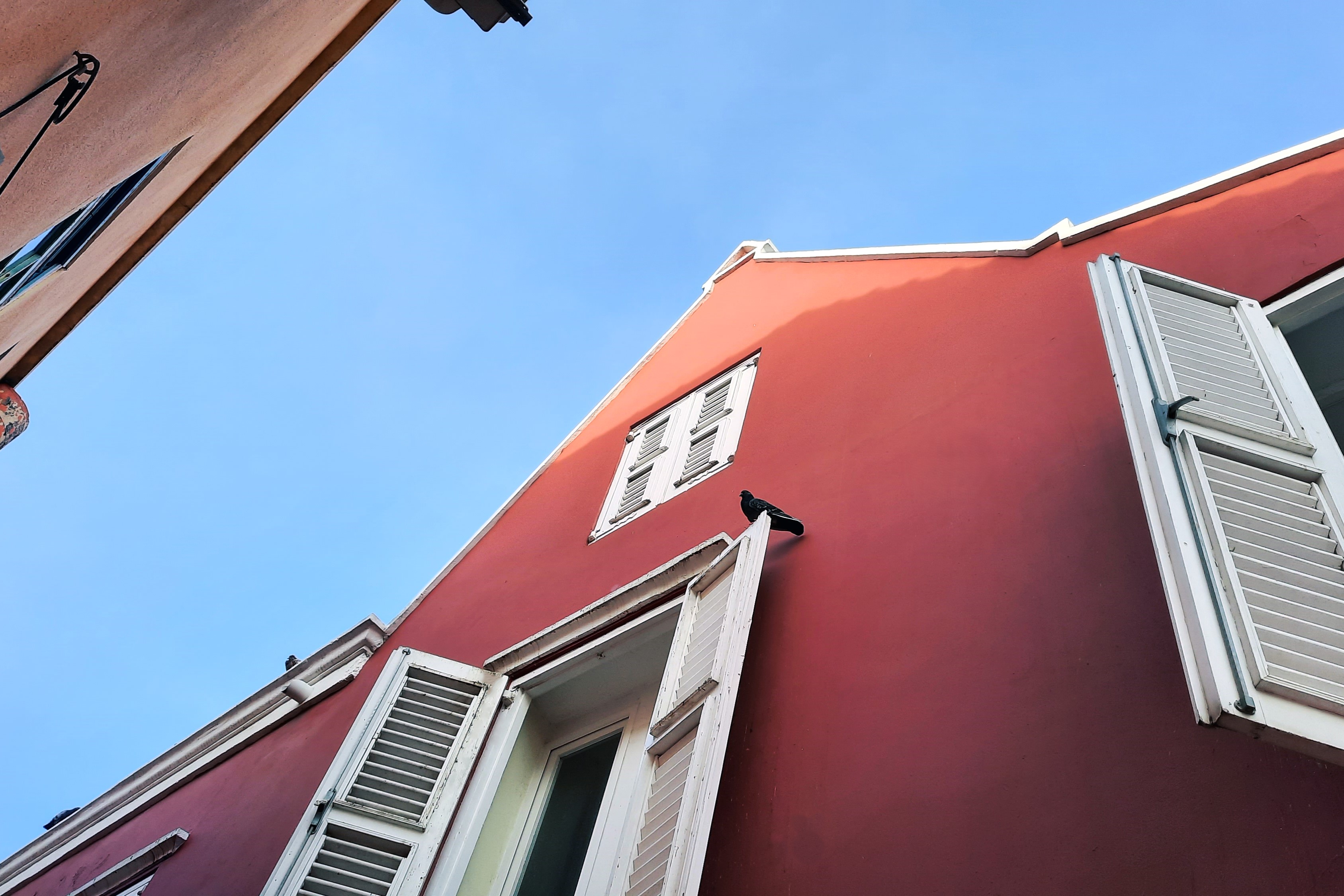
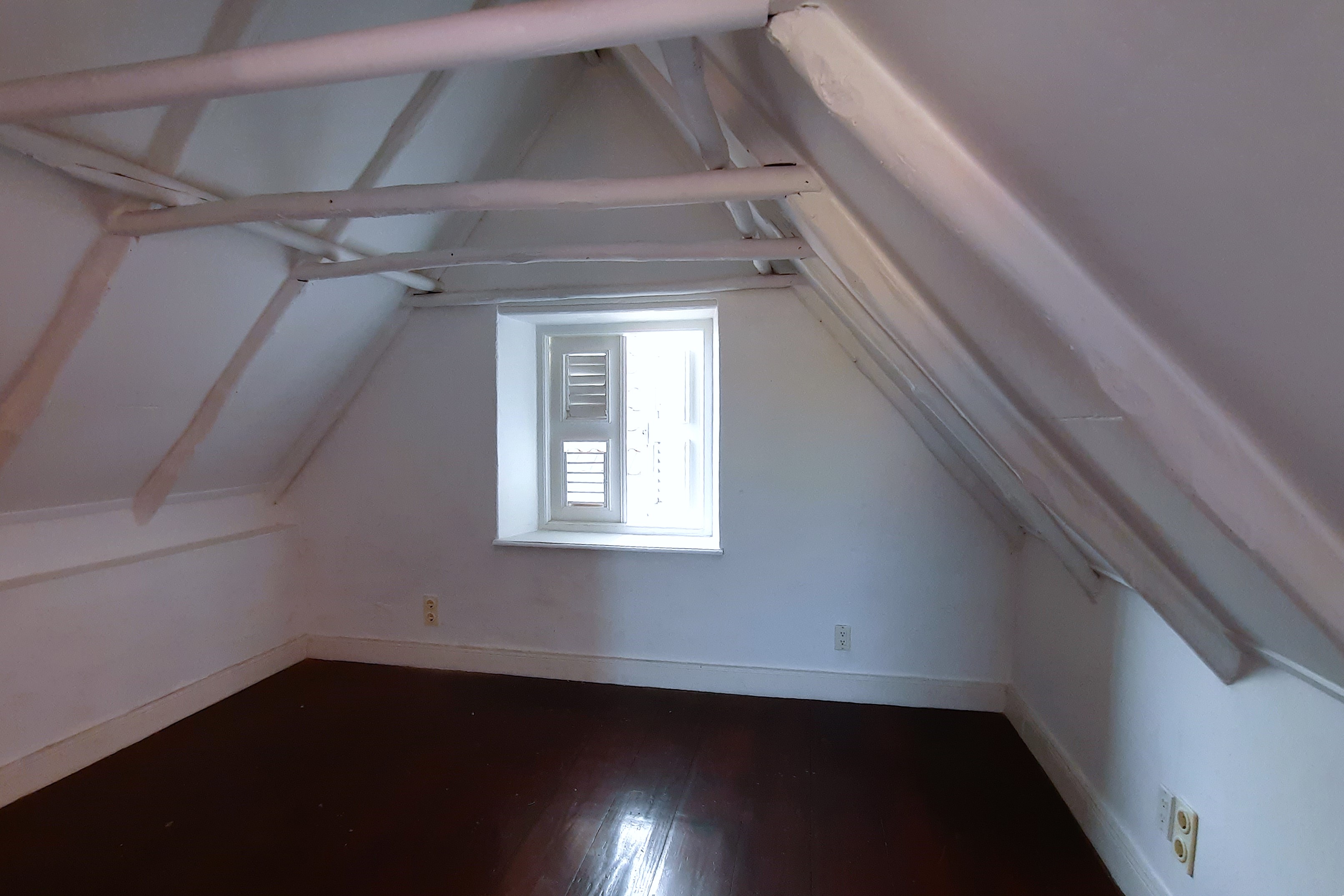
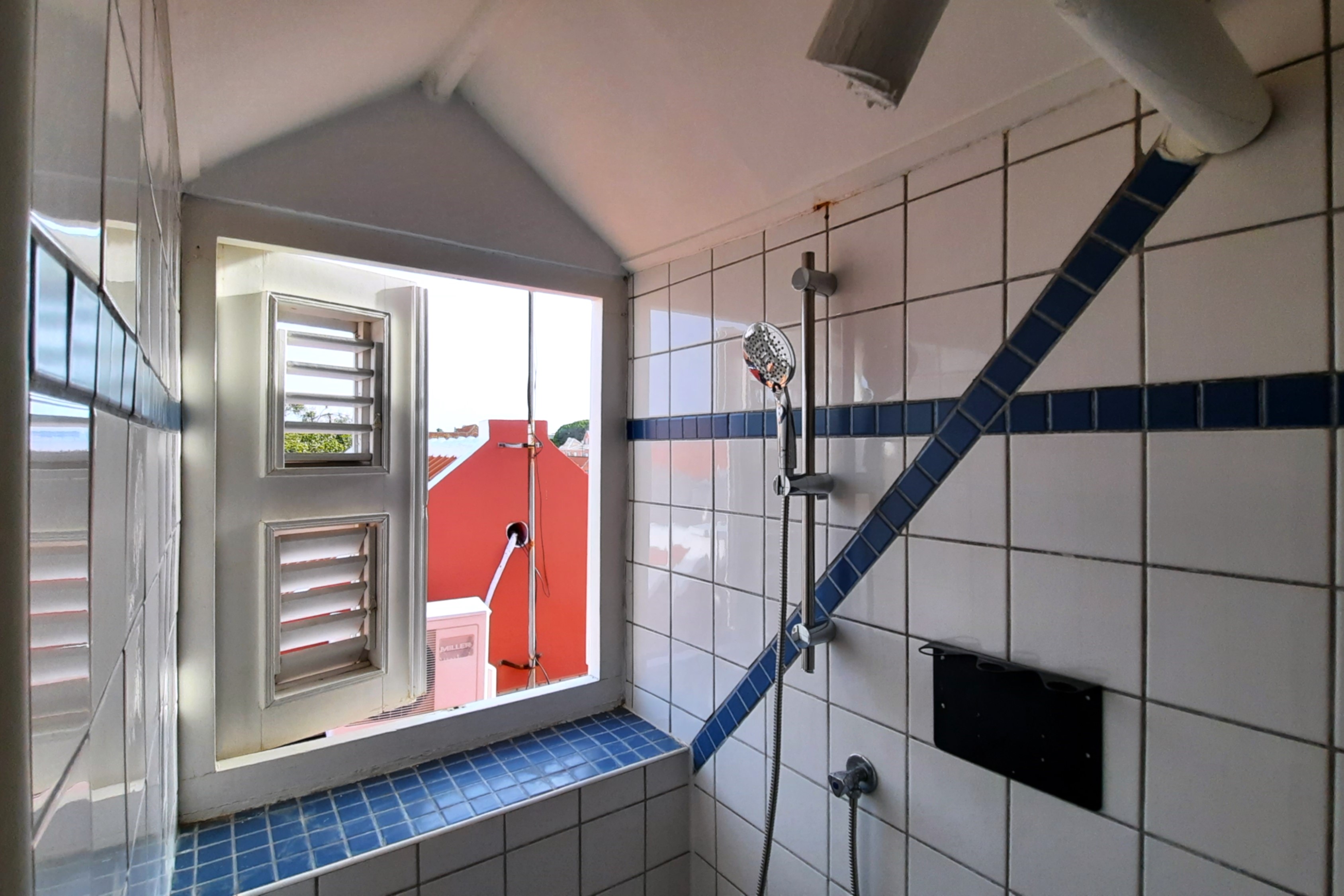
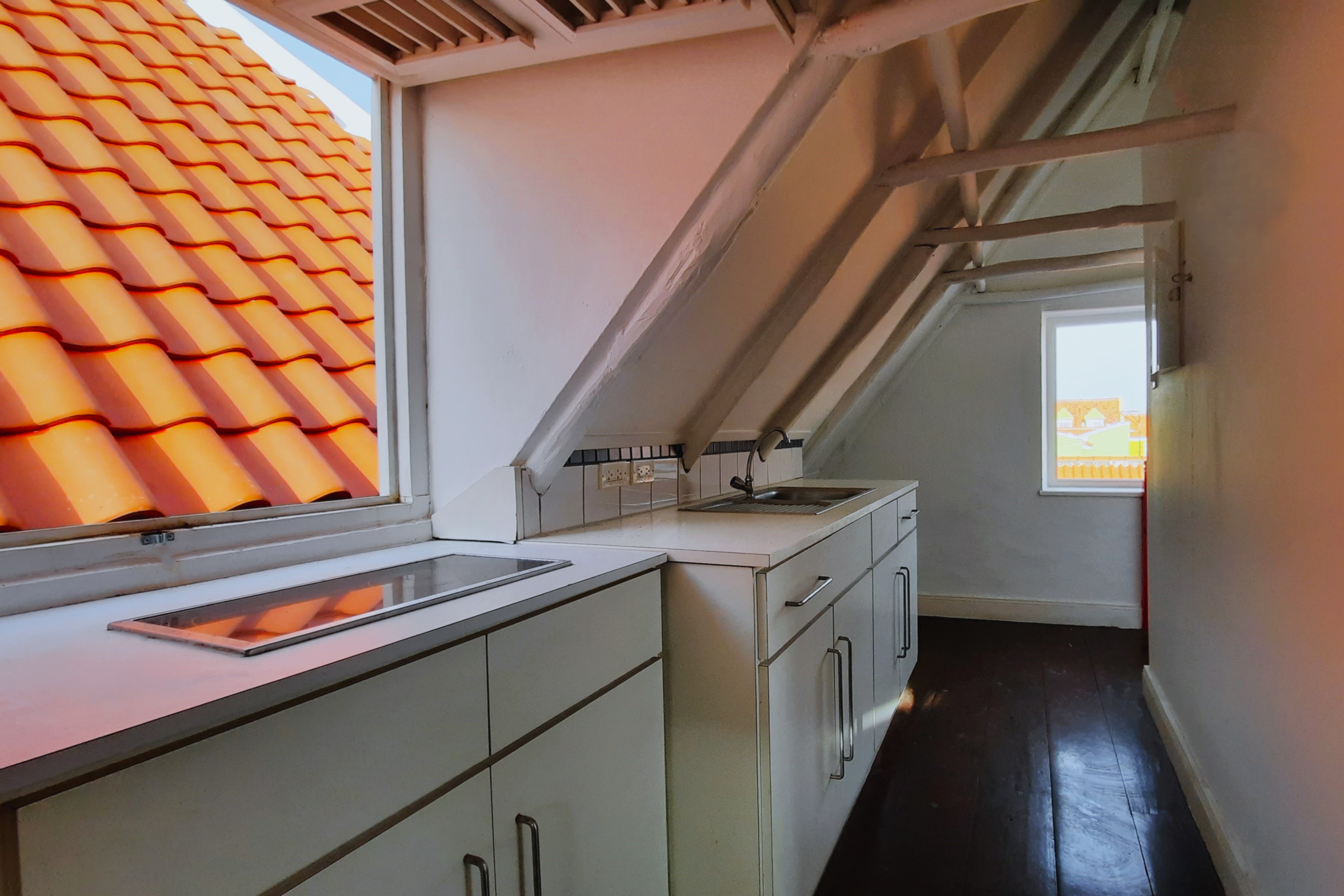
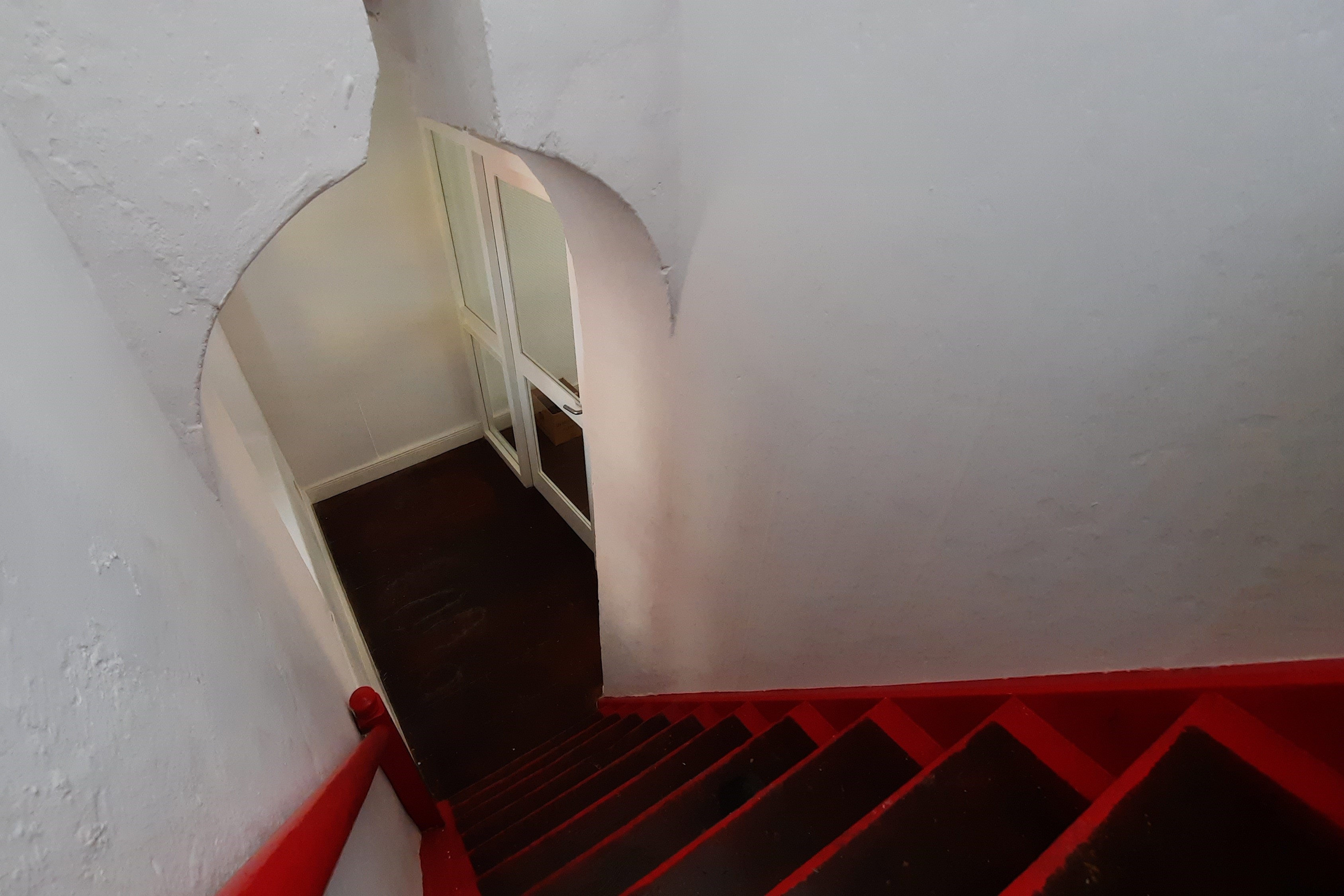

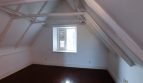
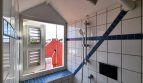
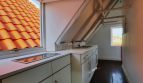
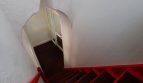

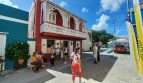
Discover this cozy studio apartment, ideal for a single person, right in the vibrant center of Otrobanda. Offering 21 square meters of well-designed living space, the apartment features a practical kitchenette with an induction cookplate, a private hallway with space for additional storage, and a spacious bathroom.
Rent is ANG 450,- per month, with a two-month deposit required.
Situated in Zaantjessteeg, one of the characteristic alleys running from Breedestraat Otrobanda towards the cinema, shopping mall, and cruise terminal, this location offers the perfect blend of urban living and authentic neighborhood charm. Within walking distance, you’ll find a wide variety of shops, restaurants, nightlife, and public transportation options.
Zaantjessteeg is part of a traditional residential neighborhood where neighbors greet each other by name and doors are often left unlocked — a rare find in today’s world. Ample parking is available at the edges of the alleys, while the picturesque surroundings invite you to stroll among the historic buildings, enjoying the scents of home-cooked meals, the sound of children playing, and music filling the air.
Stichting Monumentenzorg is actively investing in the neighborhood with several large-scale restoration projects underway, aimed at preserving its unique heritage and enhancing its visibility and appeal.
Don’t miss the opportunity to live in one of Curaçao’s most authentic and upcoming areas!
Building History
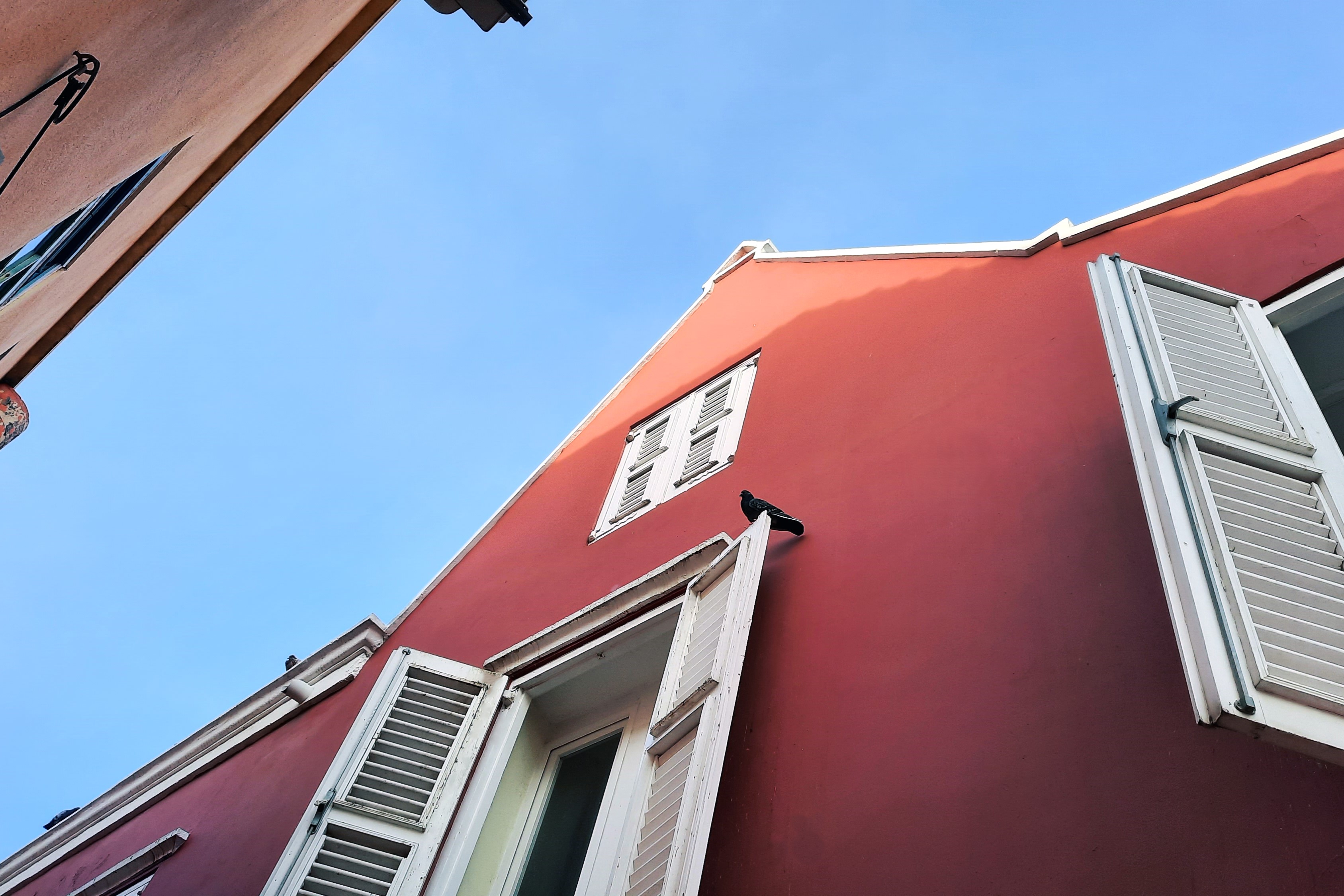
This remarkable monument comprises two properties that were merged towards the end of the 19th century. The rear building, constructed around 1850 by Gerard Marten Daal, displays all the characteristics of the architectural style of that era.
The front portion, featuring a balcony with elaborate wooden trimming, was constructed after Nicolina Paulina Job, a seamstress by profession, acquired the two properties in the 1890s. The fancy woodwork adorning the front, commonly referred to as gingerbread, gained popularity following an invention in the US around 1900 that enabled mechanized production. This style became particularly popular in the Windward Islands and was introduced to Curaçao in the early 20th century.
In 2000, Stichting Monumentenzorg Curaçao purchased and restored the building.